
Read in 4 min
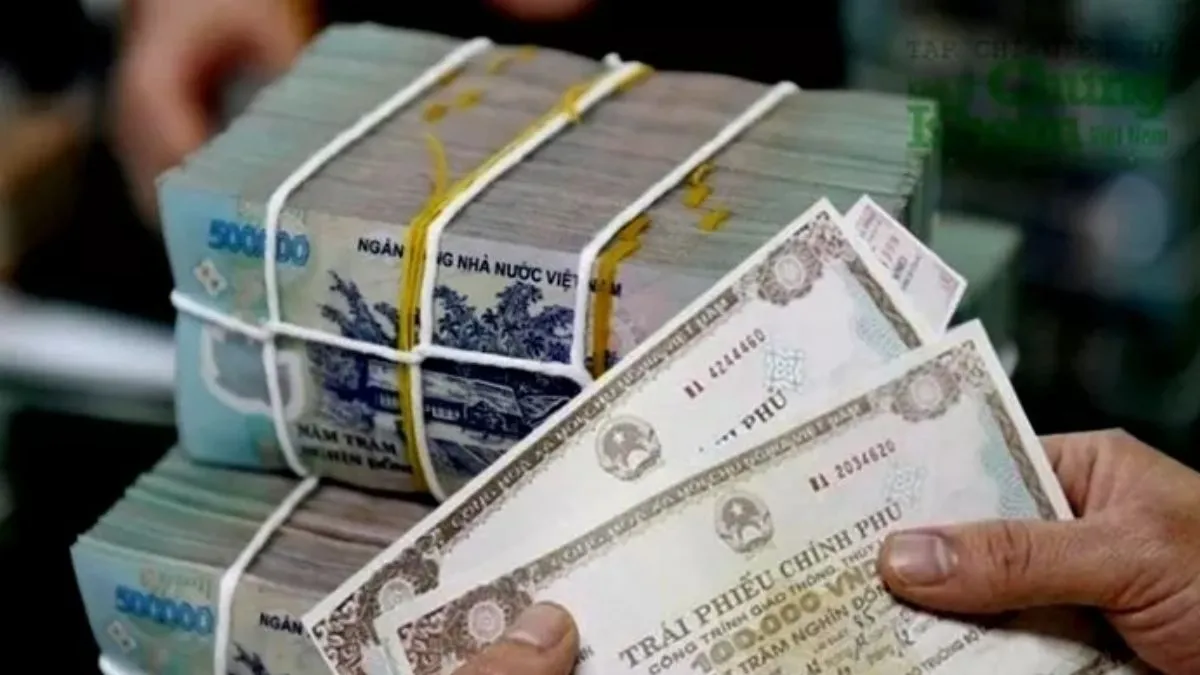
Vietnam is a popular country in the world. It is known for plenty of reasons. The country has recently launched a new decree strengthening penalties for violations in foreign currency, gold investing, and other financial activities, introducing a tiered system of sanctions on the basis of the severity of offences.
Learn more about this!
In a sweeping move to strengthen financial discipline and market transparency, Vietnam has introduced a new decree outlining strict penalties for violations across gold trading, foreign exchange transactions, banking deposits, capital investments, and corporate bond markets. The updated framework aims to curb illegal trading, improve compliance, and reinforce the stability of the country’s financial system at a time of growing investor participation and cross-border capital flows.
Under the new rules, people or entities that buy or sell gold bars through unlicensed institutions, or use gold as a payment method, will receive warnings for first-time offences. Repeat or different violations will attract fines ranging from 10 to 20 million VND (approximately USD 384–768). Similar penalties apply to failing to conduct gold transactions through designated payment accounts.
For failing to openly display gold pricing, making jewelry without declared standards or appropriate labels, or producing gold bars without revealing weight, purity, and quality criteria, authorities will levy fines ranging from 30 to 50 million VND. Penalties of 80–100 million VND will be imposed for illegally transporting gold across borders.
Fines of 140 to 180 million VND will be imposed for more significant infractions, such as importing and exporting jewelry outside of registered company activities, breaking gold position management regulations, or engaging in illicit gold dealing through agents. Importing and exporting raw gold without official clearance, as well as manufacturing or dealing gold bars without licenses, carry the harshest penalties, which range from 300 to 400 million VND.
The decree also targets unregulated foreign currency trading. Individuals conducting foreign exchange transactions among themselves or through unauthorized agents will receive warnings for transactions below USD 1,000. Fines increase progressively, with 10–20 million VND for transactions under USD 10,000, 20–30 million VND for transactions under USD 100,000, and 80–100 million VND for transactions exceeding USD 100,000.
Capital contribution and share acquisition violations will face penalties of up to 300 million VND. Using non-charter funds in violation of banking laws will incur fines of 100–150 million VND, while exceeding shareholding limits or breaching investment rules will result in penalties ranging from 200 to 300 million VND, depending on the severity of the offense.
Deposit-related violations carry fines ranging from 20 to 150 million VND. Banks that fail to follow proper procedures when accepting or paying deposits will face fines of 20–40 million VND. Accepting deposits from ineligible parties can lead to penalties of up to 150 million VND. Misleading disclosures of interest rates or fees will also be penalized, with fines of 10–20 million VND for unclear information and 20–40 million VND for applying unlisted rates.
Additionally, the corporate bond market will be actively watched. Penalties for non-cash payment violations range from 30 to 50 million VND, while institutions that neglect to monitor the usage of bond earnings might face fines of 15 to 30 million VND. Fines of 100–150 million VND will be imposed for more serious infractions, such as buying bonds without a thorough assessment or selling bonds to subsidiaries outside of approved circumstances.
Experts say the decree reflects Vietnam’s broader effort to modernize its financial regulations, enhance investor confidence, and prevent systemic risks. By introducing clearer penalties and expanding enforcement mechanisms, regulators aim to promote lawful market behaviour and reduce shadow trading activities.
The new rules are expected to have significant implications for financial institutions, investors, and businesses operating in Vietnam, signaling a tougher regulatory environment and a push toward greater financial transparency.
This is just an article that is based on general information purpose. To learn more, try an online search today!