
Read in 4 min
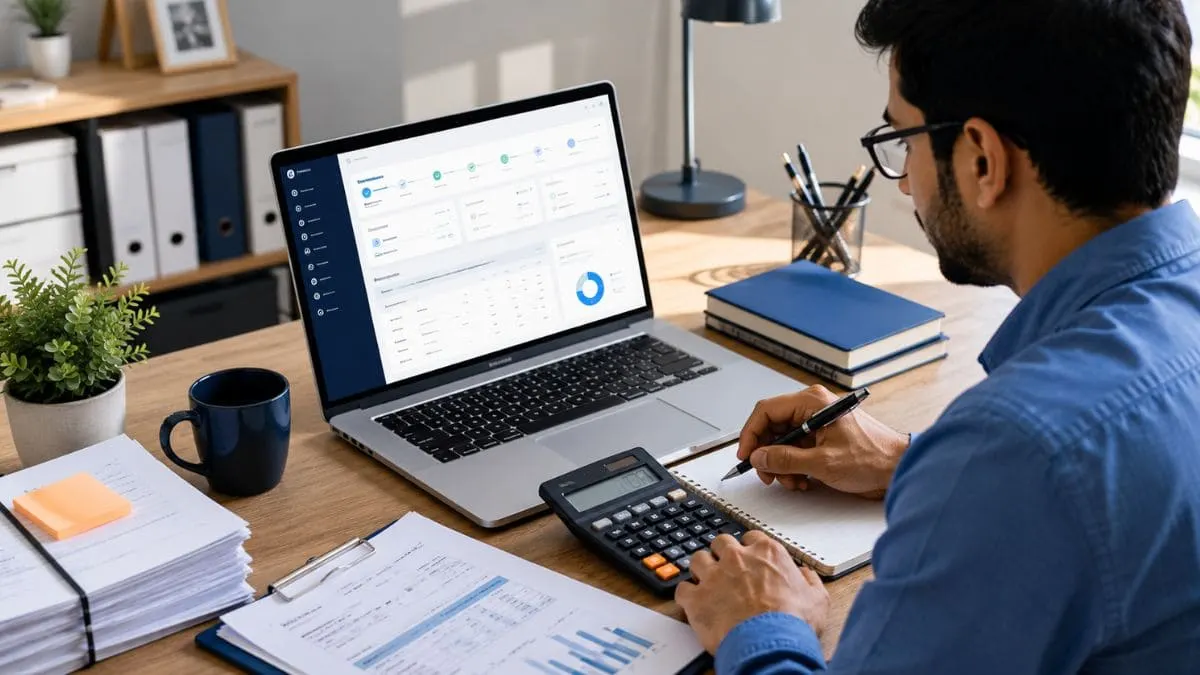
One of the most challenging aspects of personal and business finance is managing taxes. From calculating taxable income to claiming deductions and filing returns accurately, the process can be time-consuming and confusing. Income tax software has made this process easier than before. Modern income tax software is designed to automate calculations, reduce errors, and help accountants comply with the latest tax regulations. Most solutions also offer cloud access, document storage, e-filing capabilities, and integration with accounting software, helping users make tax management more efficient than ever.
Our blog explores information about income tax software, including its definition, key features, and more.
Income tax software is a digital application that helps individuals and businesses prepare, calculate, and file income tax returns. Instead of manually completing tax forms, users enter their financial information into the software, which automatically performs calculations and generates the necessary tax documents.
Many tax software platforms also support electronic filing (e-filing), allowing users to submit returns directly to the appropriate tax authority.
When choosing tax software, it’s important to look for features that meet your personal or business needs.
The software automatically calculates taxable income, deductions, credits, and tax liability based on the information you provide. This reduces the risk of mathematical errors.
Most modern tax software allows users to file returns electronically. E-filing is generally faster than paper filing and often results in quicker processing.
Many platforms help identify eligible deductions and tax credits that users may otherwise overlook. This can potentially reduce the total tax liability while ensuring compliance with applicable tax laws.
Many income tax programs allow users to import financial information from accounting software, payroll systems, investment accounts, banks, and previous tax returns. This reduces manual data entry and improves accuracy.
Cloud-based tax software allows users to securely access their tax information from multiple devices with an internet connection. This offers many benefits, including automatic backups, data synchronization, remote access, and enhanced collaboration with accountants.
Tax records contain sensitive financial information. Reputable tax software includes strong security features such as data encryption, multi-factor authentication, secure cloud storage, regular security updates, and automatic backups.
Income tax software generally falls into three categories, including personal tax software, small business tax software, and professional tax software. Take a look at the types of income tax software.
Personal tax software is designed for individual taxpayers. These programs simplify filing for employees, retirees, investors, and families. They often guide accountants through each step with easy-to-understand questions.
Small business tax software is another type of income tax software. It allows business owners to handle more complex tax responsibilities, including business income, expenses, payroll, and deductions. It often helps manage these additional requirements while generating accurate tax reports.
Professional tax software is a type of income tax software that helps accounting firms and tax professionals handle multiple clients, detailed reporting, and complex tax situations. They often include workflow management and client communication tools.
With so many options available on the internet, choosing the right one can be challenging. Before selecting a platform, you should evaluate your requirements carefully. Here is a breakdown of the tips for choosing the right income tax software.
When choosing the right one, check ease of use. This is because a simple, intuitive interface makes tax preparation less stressful, especially for first-time users.
It is another tip to consider when choosing the right income tax software. Income tax software ranges from free basic versions to premium subscription plans with advanced features. Always compare pricing with the features you actually need.
When choosing the right one, look at customer support because reliable customer support is important if questions arise during tax preparation. Consider looking for providers that offer live chat, email support, phone assistance, and video tutorials.
It is another thing to consider when selecting an income tax software. Software that integrates with accounting, payroll, and financial management systems can save considerable time by reducing duplicate data entry.
Once you check the integration feature of income tax software, checking regular updates of the software is another thing to consider. Tax regulations change regularly. Choose software that updates automatically to reflect the latest tax laws and filing requirements.
Income tax software offers a lot of benefits, including:
In addition, most business owners also integrate tax software with accounting systems to streamline financial management throughout the year.
Income tax software typically assists business professionals in preparing, calculating, and filing income tax returns. By automating calculations, reducing errors, identifying potential deductions, and supporting secure e-filing, this software saves both time and effort. Whether you’re filing a straightforward personal return or managing complex business taxes, always select the right software to simplify the process and improve accuracy.
When selecting income tax software, consider comparing features, pricing, security, customer support, and compatibility with your financial tools. It is advised to learn all aspects of income tax software before making a decision.